
In This Article
What Is the Healthiest Whey Protein to Take?
Choosing the healthiest whey protein can feel like navigating a maze of marketing claims, ingredient lists, and conflicting advice. With so many brands promoting themselves as “clean,” “premium,” or “high‑quality,” it’s easy to wonder what actually makes one whey protein healthier than another, and how to choose the right one for your goals.
At its core, the healthiest whey protein is one that is:
- High in protein per serving
- Low in sugar, fillers, and artificial sweeteners
- Made from clean, responsibly sourced milk
- Processed minimally to preserve amino acids
- Manufactured in a certified, quality‑controlled facility
- Transparent about ingredients and testing
Whey protein is naturally rich in essential amino acids, including the nine essential amino acids your body cannot produce on its own. This makes whey one of the most effective and complete protein sources available, ideal for supporting muscle growth, muscle repair, weight loss, and overall wellness.
But the healthiest whey protein powder isn’t just about the whey itself. It’s about the entire formulation, from sourcing to processing to what’s added (or not added) along the way.

Why Whey Protein Is Considered One of the Healthiest Protein Supplements
Whey protein has earned its reputation as the gold standard for several reasons:
It’s a complete protein
Whey protein contains all nine essential amino acids, making it a complete protein that supports functions from muscle repair to immune function. This sets it apart from most plant-based proteins.
It’s fast‑absorbing
Whey digests quickly, making it ideal for post‑workout recovery or as a convenient protein boost during the day.
It supports muscle growth and maintenance
Whey is naturally high in leucine, the amino acid most associated with triggering muscle building and muscle repair.
It’s versatile
You can use whey protein in:
- A protein shake
- Smoothies
- Oats
- Baking
- High‑protein snacks
It helps you meet your daily protein intake
Many older individuals, bodybuilders, and athletes find it challenging to obtain sufficient protein through whole foods alone. Whey protein powder provides a convenient, low-calorie option to boost protein intake without significantly increasing fat or sugar consumption.
Understanding the Types of Whey Protein
To choose the healthiest whey protein powder, it helps to understand the differences between the main types:
Whey Protein Concentrate
- Typically 70–80% protein
- Contains beneficial bioactive compounds
- Slightly higher in lactose
- Creamier texture
- Great for everyday use
Whey Protein Isolate
- 90%+ protein
- Lower in lactose, fat, and carbs
- Ideal for weight loss or lactose‑sensitive individuals
- Fastest absorption
Whey Protein Hydrolysate
- Pre‑digested for rapid absorption
- Often used in clinical or sports settings
- More expensive
- Not necessary for most people
The healthiest whey protein often combines whey protein concentrate and whey protein isolate to deliver both nutritional richness and high protein per serving.
What Makes a Whey Protein “Healthy”?
When evaluating the healthiest whey protein shakes or powders, look for:
Clean sourcing
Milk from EU or British farms, ideally hormone‑free and non‑GMO.
Minimal ingredients
A healthy whey protein powder should have:
- Whey
- Natural flavouring
- Maybe a stabiliser
- Nothing unnecessary
No artificial sweeteners
Many protein supplements rely on:
- Sucralose
- Acesulfame K
- Aspartame
These can cause digestive issues or an aftertaste. A healthier whey avoids them.
High protein per serving
Look for 20–25g of protein per serving or more.
Manufactured in a certified facility
GMP certification ensures:
- Clean production
- Accurate labelling
- Safe handling
- Consistent quality
Transparent labelling
No proprietary blends. No hidden ingredients. No vague claims.
Why This Matters for Your Health
Choosing the healthiest whey protein powder isn’t just about fitness; it’s about long‑term wellbeing. Clean, high‑quality whey supports:
- Muscle mass maintenance
- Weight loss
- Satiety
- Energy levels
- Recovery
- A balanced diet
And because whey is one of the most researched protein supplements in the world, its benefits are well‑established.

What Is the Most Trusted Whey Protein?
Trust is one of the most important factors when choosing the healthiest whey protein powder. With many protein supplements on the market, and with quality varying dramatically between brands, consumers increasingly look for whey protein that is transparent, clean, and manufactured to high standards.
The most trusted whey proteins typically share several characteristics:
Transparent sourcing
Trusted brands clearly state:
- Where their milk comes from
- Whether it’s hormone‑free
- Whether it’s non‑GMO
- Whether it’s EU, British, or US sourced
Brands that hide sourcing details often do so because the milk quality is inconsistent or inferior.
Clean ingredient lists
The healthiest whey protein shakes don’t need long ingredient lists. Trusted brands avoid:
- Artificial sweeteners
- Cheap fillers
- Unnecessary thickeners
- Artificial flavours
- Proprietary blends
A clean whey protein powder should contain whey, natural flavouring, and minimal extras.
High protein per serving
Trusted whey proteins typically offer 20–25g of protein per serving, with a clear breakdown of:
- Protein
- Carbs
- Fat
- Amino acid profile
This transparency helps consumers compare protein content and choose the right protein powder for their goals.
Third‑party testing or certifications
The most trusted whey protein brands often carry certifications such as:
- GMP (Good Manufacturing Practice)
- ISO certifications
- Informed Sport
- Informed Choice
- NSF Certified for Sport
These certifications ensure the whey protein is produced safely, consistently, and free from banned substances.
No proprietary blends
Proprietary blends hide ingredient amounts, making it impossible to know what you’re actually consuming. Trusted brands avoid this entirely.
Clear nutritional philosophy
The healthiest whey protein powders come from brands that prioritise:
- Clean formulations
- High‑quality protein
- Responsible sourcing
- Transparent labelling
- No artificial sweeteners
Consumers trust brands that value health over hype.
Which Is the Safest Protein Powder Brand?
Safety is a major concern for anyone choosing a protein supplement. The safest protein powder brands are those that follow strict manufacturing standards and avoid unnecessary or potentially harmful ingredients.
Here’s what defines a safe protein powder brand:
Manufactured in a GMP‑certified facility
GMP certification ensures:
- Clean production environments
- Accurate ingredient measurements
- Proper handling and storage
- Consistent quality across batches
This is one of the strongest indicators of safety.
Transparent ingredient lists
Safe protein supplements list every ingredient clearly, no vague terms, no hidden blends, no misleading claims.
No artificial sweeteners
Many protein powders contain:
- Sucralose
- Acesulfame K
- Aspartame
These can cause digestive discomfort and may not align with a clean‑label lifestyle. The safest whey protein powders avoid them entirely.
No banned substances
Athletes and fitness enthusiasts often look for Informed Sport or NSF Certified for Sport to ensure the whey is free from banned substances.
Clean sourcing
The safest protein powder brands use:
- Hormone‑free milk
- Non‑GMO ingredients
- EU or British sourcing
- High‑quality whey concentrate or whey isolate
No unnecessary additives
Safe whey protein powders avoid:
- Artificial colours
- Excessive thickeners
- Cheap fillers
- Synthetic flavours
Consistent batch testing
Some brands test every batch for:
- Purity
- Heavy metals
- Microbial contamination
- Protein accuracy
This level of transparency builds trust and ensures safety.
Which Is the Safest Whey Protein?
The safest whey protein is one that is:
- Cleanly sourced
- Minimally processed
- Free from artificial sweeteners
- Manufactured in a GMP‑certified facility
- Transparent about ingredients
- High in protein per serving
- Low in sugar and unnecessary additives
Let’s break down what makes a whey protein truly safe.
Sourcing matters
The safest whey protein comes from:
- EU or British farms
- Hormone‑free milk
- Non‑GMO sources
This ensures the whey protein powder starts with high‑quality raw materials.
Processing quality
Whey protein isolate and whey protein concentrate should be processed gently to preserve:
- Amino acid integrity
- Protein structure
- Nutritional value
Over‑processing can degrade quality.
Clean formulation
The safest whey protein powders contain:
- Whey concentrate
- Whey isolate
- Natural flavouring
- Minimal stabilisers
Nothing more.
No artificial sweeteners
Artificial sweeteners are one of the biggest red flags in protein supplements. The safest whey proteins avoid:
- Sucralose
- Acesulfame K
- Aspartame
These ingredients are common in many protein powders because they’re cheap, but they’re not ideal for long‑term health.
High protein per serving
A safe, high‑quality whey protein powder should offer 20–25g of protein per serving, with a clear breakdown of:
- Grams of protein per serving
- Amino acid profile
- Carbohydrates
- Fat
Manufactured under strict standards
GMP certification ensures:
- Safe production
- Accurate labelling
- Consistent quality
- Proper hygiene and handling
This is one of the strongest indicators of a safe whey protein.
Is Protein Powder Safe to Take Every Day?
One of the most common questions people ask when choosing the healthiest whey protein powder is whether it’s safe to consume daily. The short answer is: yes, for most people, protein powder is safe to take every day, as long as it’s part of a balanced diet and you choose a clean, high‑quality formula.
Whey protein is simply a concentrated form of dairy protein. It’s no different from the protein you’d find in yoghurt, cheese, or milk, just more convenient and more efficient.
Here’s what makes daily whey protein use safe for the majority of people:
Whey protein is a whole‑food derivative
Whey is a natural by‑product of cheese production. When processed into whey protein concentrate or whey protein isolate, it becomes a highly bioavailable source of high-quality protein.
It helps you meet your daily protein needs
Many people struggle to get enough protein from whole foods alone. Daily whey protein can help you reach your protein intake goals without adding excessive calories.
It supports muscle repair and recovery
Daily protein supplementation supports:
- Muscle repair
- Muscle growth
- Muscle maintenance
- Supporting muscle growth during training phases
This is especially important for active individuals or those trying to maintain muscle mass during weight loss.
It’s safe for long‑term use
Research consistently shows that whey protein is safe for long‑term consumption in healthy adults. It does not harm the kidneys or liver when consumed within recommended daily protein limits. A systematic review and meta-analysis conducted in 2024 found that a higher total protein intake, which includes both plant and animal sources, is associated with a lower risk of developing chronic kidney disease (CKD) in large population cohorts. However, individuals with pre-existing kidney conditions should consult their healthcare providers before significantly increasing their protein consumption. Additionally, it is important to stay well-hydrated as protein intake increases.
Choose clean, safe protein supplements
Daily use is safest when your protein powder is:
- Free from artificial sweeteners
- Free from unnecessary additives
- Manufactured in a GMP‑certified facility
- Transparent about ingredients
- High in protein per serving
When to be cautious
People with the following conditions should consult a healthcare professional:
- Kidney disease
- Severe lactose intolerance
- Allergies to dairy proteins
For everyone else, daily whey protein is a safe, effective way to support a balanced diet and maintain a healthy protein intake.
Healthiest Whey Protein for Weight Loss
When your goal is weight loss, the healthiest whey protein is one that supports satiety, helps maintain lean muscle, and fits easily into a calorie‑controlled diet.
Here’s what to look for:
High protein, low calorie
A low-calorie protein powder with 20–25g of protein per serving helps keep you full and supports fat loss while preserving muscle mass.
Whey protein isolate is ideal
Whey protein isolate is often the healthiest whey protein for weight loss because it contains:
- More grams of protein per serving
- Less fat
- Less lactose
- Fewer carbs
This makes it easier to stay in a calorie deficit without sacrificing nutrition.
No artificial sweeteners
Artificial sweeteners can cause cravings, bloating, and digestive discomfort. The healthiest whey protein shakes avoid:
- Sucralose
- Acesulfame K
- Aspartame
Clean ingredients
The healthiest whey protein powders for weight loss contain:
- Whey concentrate or whey isolate
- Natural flavouring
- Minimal stabilisers
Nothing more.
Helps maintain muscle during weight loss
Whey protein supports muscle building and muscle repair, which is crucial during weight loss. Maintaining muscle helps keep your metabolism high.
Supports satiety
Protein is the most satiating macronutrient. A high‑protein shake can reduce hunger and help you avoid overeating.
Works well in recipes
Whey protein can be used in:
- Smoothies
- Oats
- Greek yoghurt
- High‑protein snacks
This makes it easier to stay consistent with your nutrition.
Healthiest Whey Protein for Muscle Gain
If your goal is to build muscle, the healthiest whey protein is one that delivers a strong amino acid profile, especially leucine, the amino acid most associated with muscle growth.
Here’s what to look for:
High protein per serving
Aim for 20–25g of protein per serving to stimulate muscle protein synthesis.
Complete amino acid profile
Whey protein contains all nine essential amino acids, making it a complete protein that supports muscle building and muscle repair.
Balanced amino acid profile
Look for a whey protein powder with a balanced amino acid profile, especially high in:
- Leucine
- Isoleucine
- Valine
These are the key amino acids for muscle recovery.
Whey concentrate + whey isolate blend
This combination offers:
- Fast absorption (isolate)
- Nutrient richness (concentrate)
- A naturally creamy texture
- Better overall recovery
No artificial sweeteners
Artificial sweeteners can cause digestive issues that interfere with training consistency.
Works well as a post‑workout protein shake
A whey protein shake after training helps:
- Rebuild muscle
- Reduce soreness
- Support muscle gain
- Improve recovery
Supports high protein intake
To build muscle, you need to meet your protein needs consistently. Whey protein makes this easier.

What to Avoid in Protein Powder
When choosing the healthiest whey protein powder, it’s just as important to know what to avoid as it is to know what to look for. Many protein supplements on the market contain unnecessary additives, low‑quality ingredients, or misleading formulations that can undermine your health goals.
Here are the biggest red flags to watch out for:
Artificial Sweeteners
This is one of the most common issues in protein supplements. Many brands use artificial sweeteners because they’re cheap and create an intense sweetness that masks low‑quality whey.
Common artificial sweeteners include:
- Sucralose
- Acesulfame K
- Aspartame
These can cause:
- Digestive discomfort
- Bloating
- Cravings
- Headaches
- A chemical aftertaste
The healthiest whey protein shakes avoid artificial sweeteners entirely and rely on natural flavouring or minimal sweetening.
Excessive Sugar
Some protein powders contain 5–10g of sugar per serving, which can:
- Spike blood sugar
- Increase cravings
- Add unnecessary calories
- Undermine weight loss goals
A clean whey protein powder should be low in sugar and use natural flavouring instead of syrups or added sugars.
Proprietary Blends
A proprietary blend hides the exact amount of each ingredient. This is a major red flag because you can’t tell:
- How much protein are you actually getting
- Whether the amino acid profile is balanced
- Whether fillers are being used to bulk up the formula
The healthiest whey protein powders list every ingredient clearly and transparently.
Cheap Fillers and Thickeners
Some brands use fillers to reduce manufacturing costs. These can include:
- Maltodextrin
- Dextrins
- Gums
- Starches
These ingredients add calories without adding nutritional value.
Low Protein Content per Serving
Some protein powders contain as little as 12–15g of protein per serving, which is far below what’s needed for:
- Muscle repair
- Muscle growth
- Satiety
- Weight loss
Look for 20–25g of protein per serving to ensure you’re getting a meaningful protein boost.
Poor Sourcing
Low‑quality whey often comes from:
- Non‑EU farms
- Hormone‑treated cows
- Inconsistent supply chains
- Non‑GMP facilities
This can affect purity, taste, and nutritional value.
Overly Long Ingredient Lists
A healthy whey protein powder should be simple. If the ingredient list looks like a chemistry experiment, it’s not the healthiest choice.
Artificial Flavours and Colours
These add nothing to the nutritional value and can cause digestive or sensitivity issues for some people.
Misleading Claims
Be cautious of:
- “Anabolic blends”
- “Extreme mass formulas”
- “Ultra‑premium proprietary matrix”
These terms often hide low‑quality ingredients behind flashy marketing.

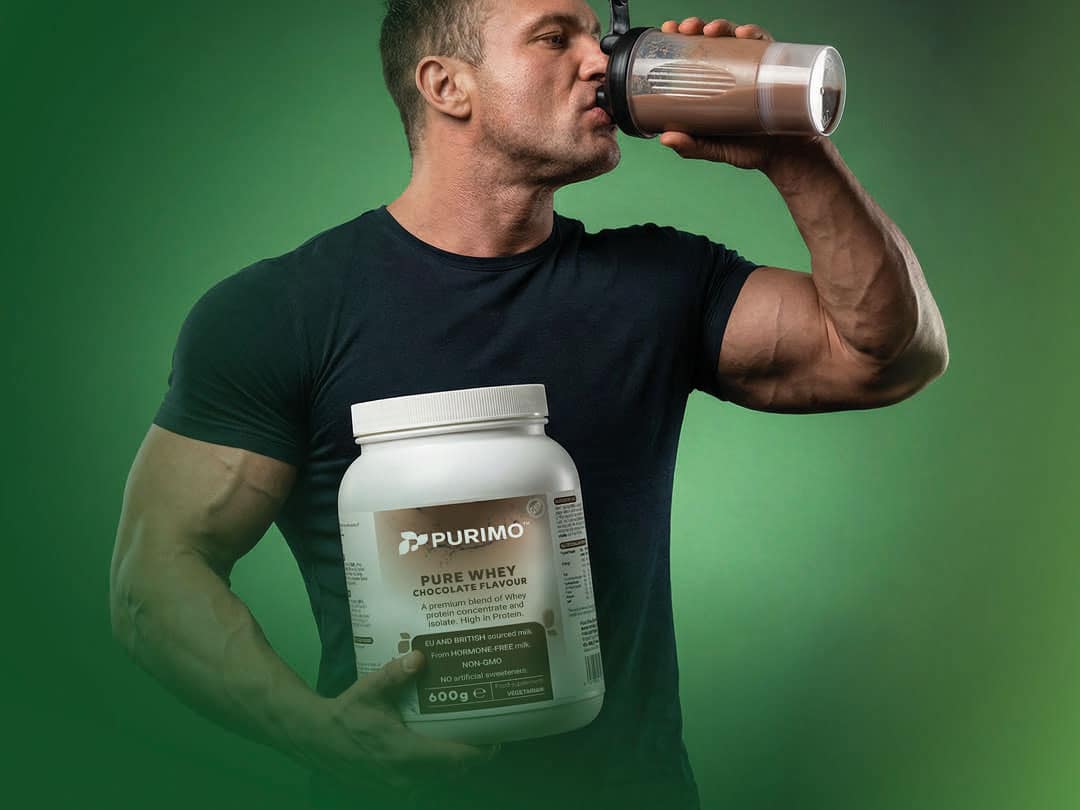
Why Purimo Pure Whey Meets the Criteria for the Healthiest Whey Protein
Purimo Pure Whey stands out because it’s built on clean, transparent ingredients that you can actually trust. Every scoop delivers a high protein serving amount sourced exclusively from EU and British milk, giving you a naturally rich, high‑quality whey without the junk many brands hide. It’s produced in a GMP‑certified facility, so you know the quality, purity, and accuracy of every batch is tightly controlled. Instead of artificial sweeteners, it uses Stevia, keeping the flavour clean and the formula easy on digestion. The result is a whey protein that’s genuinely ideal for both weight loss and muscle gain, supporting your goals without unnecessary calories or additives. And because it mixes smoothly and tastes natural, it works beautifully in recipes, from shakes and oats to high‑protein snacks, like protein balls, making it one of the easiest daily habits to stick to.
Conclusion – Choosing the Healthiest Whey Protein
The healthiest whey protein is one that is:
- Clean
- High in protein
- Low in sugar
- Free from artificial sweeteners
- Responsibly sourced
- Manufactured under strict standards
- Transparent about ingredients
Purimo Pure Whey meets all of these criteria, making it one of the healthiest whey protein shakes available for weight loss, muscle gain, or everyday nutrition.
If you’re looking for the best whey protein in the UK, our Pure Whey is a reliable choice backed by transparency, quality, and a commitment to clean ingredients.

The Purimo difference
Ready to upgrade your protein routine? Explore Purimo Pure Whey and discover a cleaner, healthier way to support your goals.
Disclaimer: Purimo is not a medical or nutritional authority. The content in our blog articles is provided for informational purposes only. It should not be taken as professional medical or dietary advice. Always consult a qualified healthcare or nutrition professional before making any changes to your diet or supplement regimen.